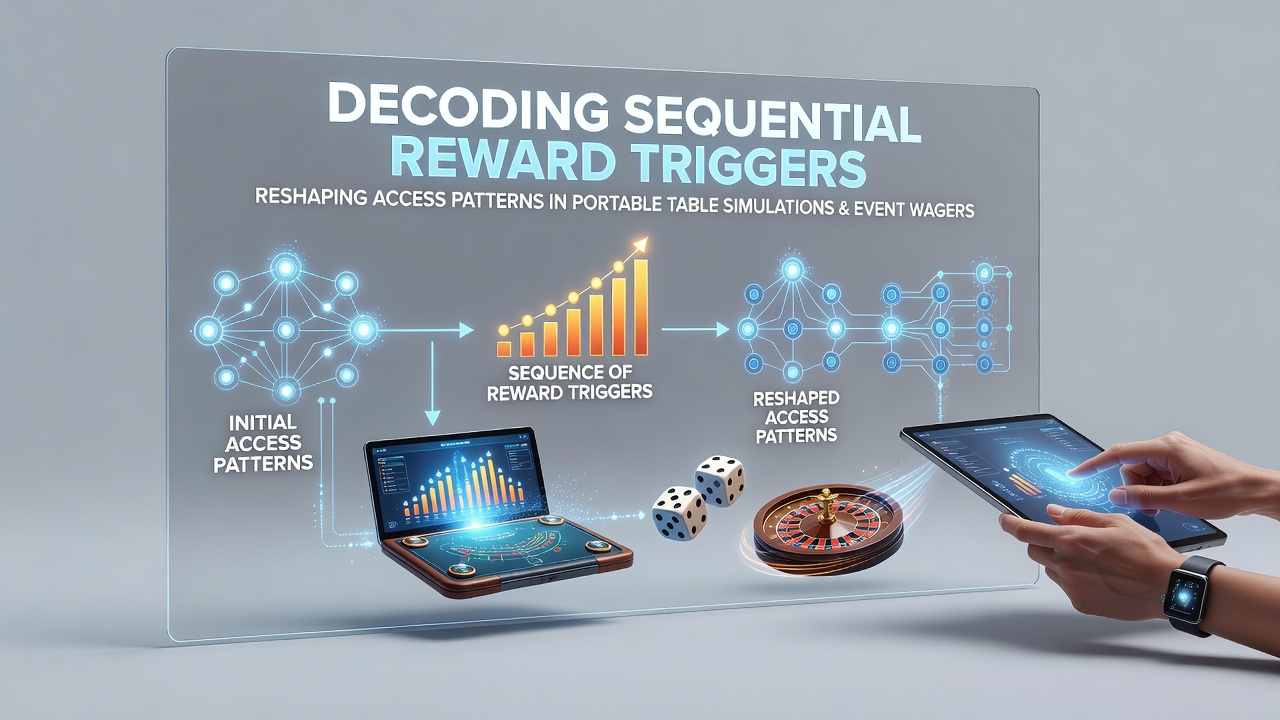
Decoding How Sequential Reward Triggers Reshape Access Patterns in Portable Table Simulations and Event Wagers
Sequential reward triggers operate through layered activation systems in mobile applications that simulate table games and event wagers, and these mechanisms alter user navigation routes by unlocking successive stages based on prior completion metrics. Data from platform analytics indicate that reward sequences prompt shifts in session timing and feature prioritization, while users encounter modified pathways to higher-tier simulations after meeting initial criteria in portable environments.
Mechanics of Sequential Reward Systems
Platform developers structure reward triggers around cumulative action counts, such as completed rounds in simulated blackjack or roulette sessions, and these accumulate to grant access to advanced wager options on athletic events. Studies from research institutions show that such sequencing creates dependency loops where early triggers determine later availability, and operators adjust these parameters to align with device-specific usage logs collected across regions including North America and Europe.
Access patterns evolve when users progress through reward tiers because each completed sequence modifies interface elements like menu visibility adn notification frequency. Observers note that portable table simulations incorporate event wager components where reward chains connect game outcomes directly to betting eligibility, and this integration appears in applications updated during late 2025 cycles ahead of November 2026 regulatory reviews.
Effects on Table Game Simulations
In simulated table environments, sequential rewards reshape entry points to variants such as multi-hand poker formats or dealer interaction modes, and data reveals increased dwell times on unlocked features after initial reward thresholds are met. Researchers at academic centers have documented how these patterns influence device resource allocation, since users navigate toward reward-gated content more frequently than standard options.
Portable systems track sequence completion through in-app metrics that feed into broader access controls, and this leads to personalized session flows where prior wager results on events determine table simulation availability. One analysis of user logs demonstrated that sequences involving consecutive wins or participation streaks expand the range of available table types, while resets occur upon inactivity periods exceeding defined windows.
Interactions with Event Wager Access
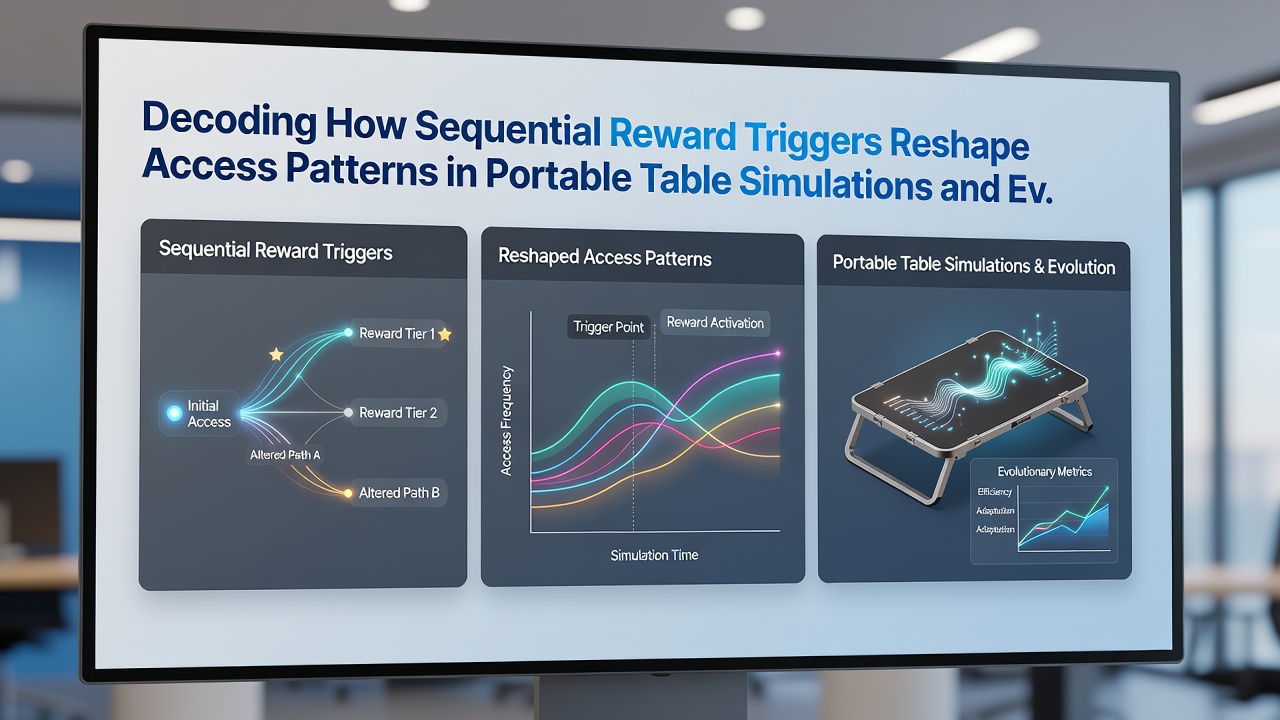
Event wager sections within the same applications respond to table simulation sequences by adjusting odds display and stake limits based on accumulated triggers, and reports from industry associations highlight correlations between simulation completion rates and subsequent event betting volumes. Figures compiled by organizations such as the Canadian Centre for Gaming Research illustrate how these connections produce measurable changes in user progression speeds across mobile networks.
Users encounter gated event categories after fulfilling table-based sequences, and this structure encourages cross-feature movement within single sessions. Data collected through 2026 indicates that November updates to several platforms refined trigger thresholds to balance access across different wager types, resulting in adjusted patterns where event selections appear earlier for users who maintain consistent simulation activity.
Observed Patterns in User Navigation
Analytics platforms record shifts in click paths and session durations following reward activations, while comparisons across devices show consistent trends in how sequences prioritize certain simulations over others. Experts from university studies have identified that portable environments amplify these effects because push notifications tied to sequential milestones guide users toward specific table or event modules at higher rates than non-sequential designs.
Cross-regional data from sources including the Australian Gambling Research Centre demonstrate variations in sequence impact tied to local device preferences and connection speeds, yet the core mechanism of reward-driven access modification remains uniform. Patterns emerge where repeated trigger completions lead to streamlined navigation menus that surface previously hidden wager options in both table and event sections.
Conclusion
Sequential reward triggers continue to influence access patterns by establishing ordered pathways through portable table simulations and event wagers, and ongoing platform refinements reflect data on user behavior collected into November 2026. These systems maintain consistent structures across applications even as operators adapt thresholds based on aggregated metrics from diverse geographic markets.